What Sets Outdoor Textiles Apart from Standard Canvas
Choosing a reliable fabric for outside spaces comes down to how individual fibers handle moisture, sunlight, and organic debris. Standard indoor upholstery relies on surface dyes and delicate fibers like cotton, linen, or standard polyester that quickly degrade under direct ultraviolet rays. When exposed to rain or humid morning air, everyday interior cloth absorbs water deep into its core, creating an ideal breeding ground for mildew spores within days. Outdoor textiles, by contrast, are engineered from non-porous synthetic polymers designed to shed liquid and resist biological decay.
Quality outdoor cloth must balance water resistance with vapor breathability so trapped condensation can escape without rotting inner foam cores. If you pick a material coated with impervious plastic sheeting, trapped moisture will heat up in direct sun and deteriorate cushion seams from the inside out. True performance yardage repels light showers while allowing the internal cushion assembly to breathe and dry naturally. Understanding this distinction is the foundation for selecting durable materials that will survive open decks, screened porches, and sunny poolside lounges year after year.
When shopping for exterior yardage, thickness alone is not a guarantee of outdoor durability. Heavy cotton duck canvas looks rugged on the bolt, but without specialized chemical treatments, sunlight weakens natural cellulose fibers until the material tears under body weight. High-performance synthetic weaves maintain their tensile strength and tear resistance despite continuous sun exposure, fluctuating humidity, and temperature swings across changing seasons.
Understanding Solution-Dyed Acrylic and Sunbrella Technology
The gold standard for patio upholstery is solution-dyed acrylic, widely recognized through brand names like Sunbrella fabric. In traditional piece-dyed fabrics, woven threads are dipped into color vats, which leaves the inner core of the yarn white, much like a sliced radish. Solution-dyed textiles introduce liquid pigments directly into the liquid acrylic polymer before the filaments are extruded into thread, producing color that saturates all the way through the fiber, comparable to a sliced carrot.
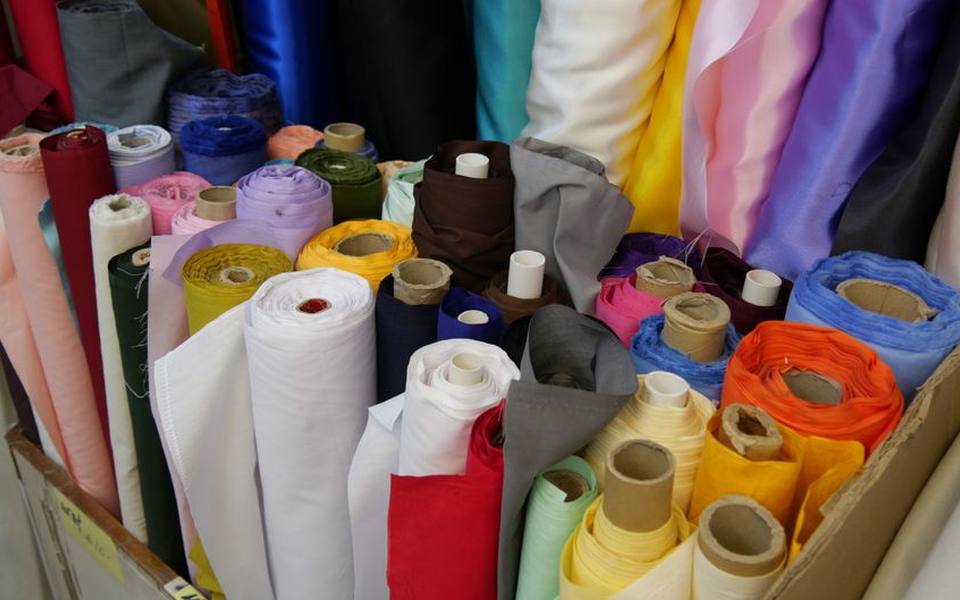
Because the color is chemically locked inside the acrylic matrix, sunlight cannot bleach the pigment away, and harsh spot-cleaning solutions like diluted chlorine bleach will not strip the shade. This manufacturing method makes solution-dyed acrylic cloth exceptionally resistant to fading, even in sun-drenched regions. Independent textile specialists and upholstery fabric and reupholstery workrooms frequently recommend this grade because it retains its soft, linen-like drape while delivering industrial-level weather resistance.
Beyond acrylic, outdoor fabric alternatives include solution-dyed polyester and marine-grade vinyls. While polyester options generally cost less per yard, acrylic delivers better longevity under continuous direct ultraviolet rays. Marine vinyls provide total waterproofing for boat decks, but they can feel hot and sticky against bare skin on backyard patio furniture. For most home seating projects, solution-dyed acrylic cloth strikes the most comfortable balance between tactile softness, breathability, and raw weather protection.
Evaluating Weather Resistance and Water Repellency
Many buyers confuse water-resistant yardage with completely waterproof material. Outdoor cloth is normally treated with a fluorocarbon-based durable water repellent finish that causes water droplets to bead up and roll off the surface. During a light afternoon shower, moisture simply sits on top of the weave without soaking into the cushion core beneath. However, during prolonged downpours, water will eventually work its way through the needle punctures in stitched seams.
Mildew resistance is another critical performance metric for exterior furniture. Synthetic acrylic and polyester fibers are non-porous and do not provide an organic food source for fungal spores to colonize. Mold and mildew only grow on outdoor cushions when airborne pollen, tree sap, dust, and food crumbs accumulate on the surface and remain damp. Regular hose rinsing keeps the fabric clean enough that fungus cannot establish a foothold, regardless of humidity.
In humid Southern coastal regions, where high heat and damp air persist for months, ventilation matters just as much as water repellency. Homeowners looking at listings in our directory for fabric shops in Florida often choose breathable woven acrylics over dense PVC-backed prints to prevent internal cushion rot caused by trapped moisture.
Selecting Materials for Long-Term Outdoor Seating
Outfitting Sunbrella outdoor seating involves matching fabric weight and texture to the specific furniture frame and setting. Deep lounge chairs, patio sofas, and porch swings take significant mechanical friction from daily sitting, shifting, and sliding. For these applications, furniture-weight upholstery grade material provides a tight, abrasion-resistant weave that resists pilling and sagging over multiple seasons of heavy family use.
Dining chairs and poolside chaise lounges experience different stresses than covered porch furniture. Poolside furniture routinely encounters chlorinated water, suntan lotions, and wet swimsuits, all of which contain oils that can attract dirt if not rinsed promptly. Choosing solid tones, subtle tweeds, or solution-dyed textured weaves helps disguise everyday dust between washings while maintaining structural integrity against pool chemicals.
Consider also whether your Sunbrella outdoor furniture sits under a covered lanai, beneath an open pergola, or in the path of relentless afternoon sun. Under full roof protection, you can explore lighter decorative weaves and textured jacquards. For open lawn or uncovered deck seating, sticking to dense plain weaves and marine-rated weights ensures the longest working life before replacement is necessary.
Constructing Custom Patio Cushion Covers
Replacing worn cushion covers outdoor transforms aged patio sets without the substantial expense of purchasing completely new frames. When designing replacement covers, accurate measuring is essential: measure your existing foam core seam-to-seam rather than measuring the old, stretched fabric. Professional workrooms typically cut cover panels half an inch smaller than the foam dimensions to create a taut, smooth fit that eliminates loose wrinkles.
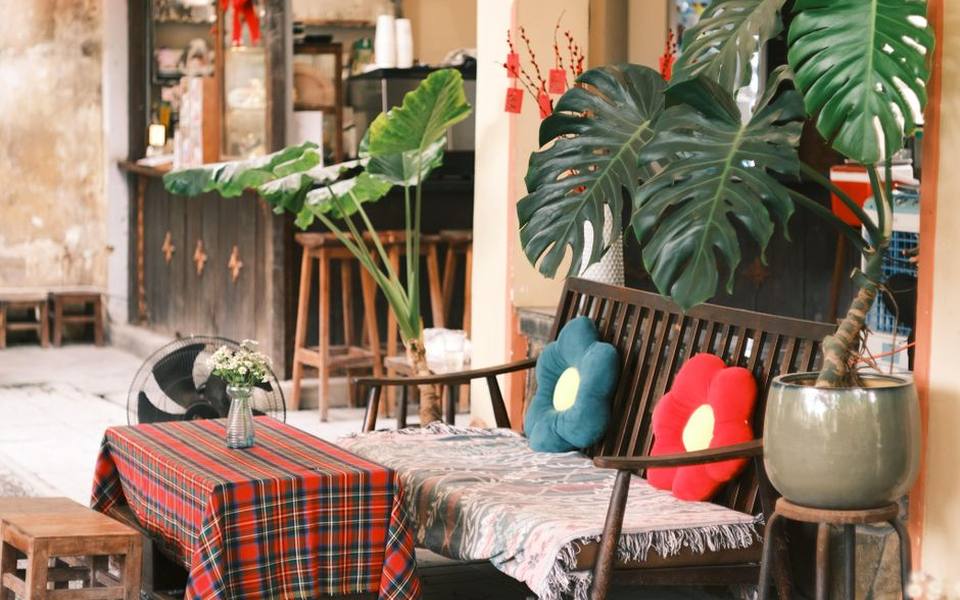
The construction of Sunbrella outdoor cushions requires smart moisture management at the seams. Using box-edge construction with welted cord provides structure, but water can pool along welt grooves if cushions are left flat during heavy rain. Many experienced stitchers include a mesh breather strip along the bottom back edge of the cushion casing, which allows internal moisture to drain immediately if water ever penetrates the top seams.
Zipper placement also plays an important role in cushion longevity. Installing the zipper across the rear edge and wrapping it several inches around each side makes inserting firm foam much easier. Using a continuous marine-grade coil zipper hidden beneath a fabric protective flap prevents sunlight from degrading the zipper teeth and keeps rain from running directly into the closure track.
Choosing the Right Cushion Foam and Fillings
The highest quality exterior cloth cannot prevent waterlogging if the inner foam functions like a household dish sponge. Standard polyfoam used in living room sofas features closed or semi-closed cells that trap water indefinitely once wet. When water enters through needle holes, dense indoor foam remains saturated for weeks, rotting backing fibers and producing sour mildew odors that ruin expensive outer covers.
For true weather-exposed patio cushions, reticulated open-cell foam—often called dry-fast or outdoor foam—is the superior interior filling. Reticulated foam resembles a porous honeycomb structure where cell walls have been completely opened up during manufacturing. Water poured onto dry-fast foam flows straight through and exits the bottom within minutes, allowing cushions to dry completely within an hour after a heavy storm.
To achieve a soft, rounded crown without sacrificing drainage, professional cushion makers wrap reticulated foam in thermally bonded polyester batting. Avoid organic batting like cotton or wool, which holds dampness. If custom open-cell foam exceeds your project budget, regular high-density exterior foam wrapped in a breathable water-resistant interliner provides a practical middle tier for covered outdoor living spaces.
Accent Pillows and Heavy-Duty Sewing Notions
A well-designed outdoor living space relies on smaller accents to tie patio furniture to your home color scheme. Crafting a Sunbrella outdoor pillow lets you introduce vibrant patterns, bold stripes, or seasonal color palettes in manageable sewing projects. Because accent throw pillows are lightweight and easy to bring indoors before storms, you can experiment with softer textured weaves that might be too delicate for deep sofa base cushions.
Outdoor sewing projects require specialized notions that can survive ultraviolet exposure alongside the fabric. Standard all-purpose polyester or cotton sewing thread will disintegrate after one summer in the sun, causing seams to burst open while the surrounding acrylic cloth remains pristine. Always stitch outdoor projects with bonded polyester thread formulated with UV inhibitors, or lifetime polytetrafluoroethylene (PTFE) thread for permanent installations.
Zippers, piping cord, and hook-and-loop fasteners must also be selected for exterior resilience. Choose polyester continuous coil zippers rather than metal tooth zippers that can corrode, seize, or pit when exposed to humidity. Cushion piping should always feature solid plastic or braided polyester cording instead of standard cotton welt cord, which rots and collapses inside the seams when damp.
Sewing Outdoor Fabrics on Household Machines
Stitching dense outdoor acrylic and marine canvas requires proper machine setup to avoid skipped stitches, thread shredding, and uneven feeding. While industrial walking-foot machines are the gold standard in commercial upholstery shops, most sturdy domestic sewing machines can handle basic outdoor cushion sewing if configured correctly. The secret lies in matching your needle size, presser foot, and thread tension to the heavy canvas.
Fit your machine with a sharp Jeans/Denim needle or specialized Microtex needle in size 100/16 or 110/18. Standard universal needles have slightly rounded points that struggle to pierce dense acrylic weaves cleanly, leading to needle deflection and timing issues. If your machine accepts a walking foot attachment, install it to ensure the top and bottom layers of slick synthetic cloth feed together evenly without creeping.
Before tackling expensive yardage, test your seam tension on scraps layered with piping cord and zipper tape. If your domestic machine struggles over thick bulky corners, consult local sewing machine sales and service shops to service your machine or explore heavy-duty mechanical models built with metal gears designed to punch through dense multi-layer canvas.
DIY Construction Versus Hiring Custom Workrooms
Deciding whether to sew patio cushion covers yourself or hire an upholstery professional depends on furniture complexity and available equipment. Simple rectangular bench pads, toss pillows, and flat seat cushions with box corners are excellent weekend DIY sewing projects. With careful marking, a straight stitch machine, and basic piping techniques, an intermediate sewist can produce clean, durable results at a fraction of custom retail prices.
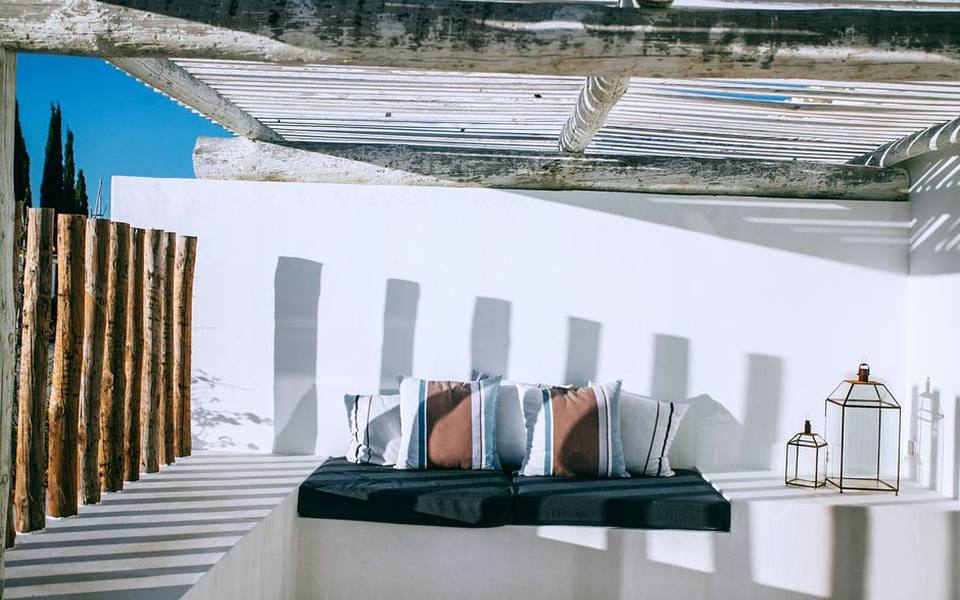
Complex curved sectional seating, contoured chaise pads with built-in headrests, and multi-piece marine upholstery present greater technical hurdles. Professional workrooms use pneumatic foam cutters, heavy-duty walking foot machines, and pattern-drafting tables that ensure tight, tailored fits around irregular frames. In our directory, many regional custom curtains and drapery workrooms also handle high-end exterior cushion fabrication for residential projects.
When estimating yardage for custom orders, account for repeat patterns, matching stripes across multiple chair cushions, and welt cord bias strips. Solid solution-dyed fabrics allow efficient layout without pattern matching, typically saving one to two yards across a complete patio set. Custom labor rates vary widely depending on cushion complexity, welt detailing, and whether the workroom supplies new foam cores or recovers your existing inserts.
Cleaning, Maintenance, and Winter Storage Practices
Routine maintenance preserves both the water-repellent surface finish and the vibrant appearance of performance acrylics. The easiest way to keep your Sunbrella cushions looking new is by brushing off loose dust and tree debris with a soft bristle brush once a week. Periodically rinsing the fabric with fresh water from a garden hose washes away fine pollen and organic dust before it embeds in the weave.
When spots, spilled barbecue sauce, or bird droppings occur, spot-clean immediately using a solution of mild liquid dish soap and lukewarm water. Sponge the suds onto the stain, agitate gently with a soft sponge or cloth, and rinse thoroughly to remove all soap film. Never machine dry outdoor cushion covers on high heat, as excessive heat can shrink acrylic fibers and damage zipper tapes; always air dry covers flat or on the foam core.
One of the unique advantages of true solution-dyed acrylic is that you can clean deep stains and stubborn mildew using diluted chlorine bleach without stripping the color. Prepare a mixture of one cup bleach and one-fourth cup mild soap per gallon of water, spray it over the soiled area, let it soak for fifteen minutes, and rinse thoroughly. For off-season protection, store thoroughly dried cushions in a dry, ventilated garage or canvas storage bin away from rodents.
Published 2026-09-25 · reviewed with each rebuild, last September 2026.
Find quilt & fabric shops near you
The directory lists 33,981 quilt & fabric shops by state and city — pick your state or use the “Near me” button in the header.
More guides
-
 Buying
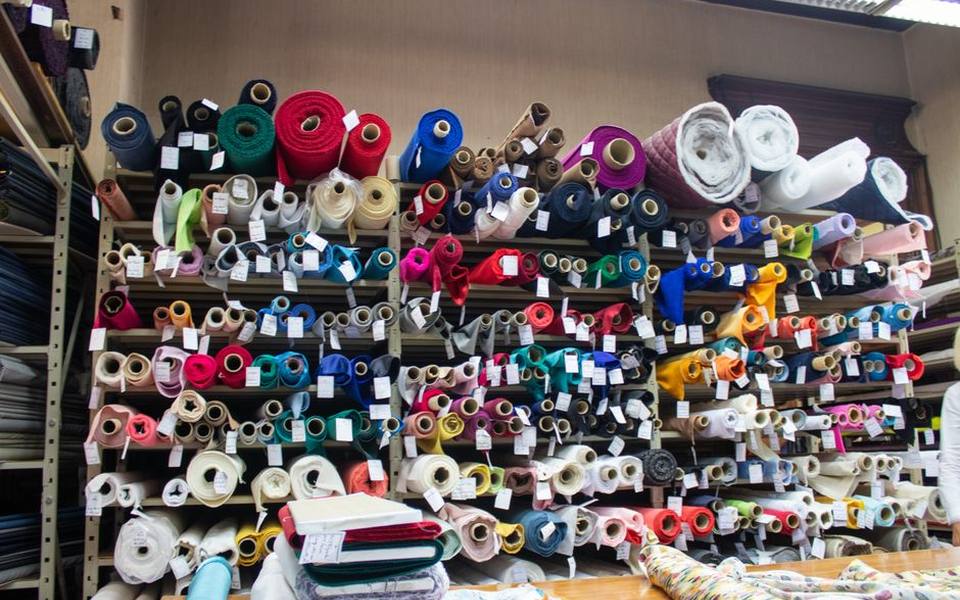
Where to Buy Fabric: Sourcing Alternatives Online and Locally
-
 Service
DIY Zipper Repair and Simple Clothing Alterations Guide
-
 Buying
Beginner Embroidery Kits and Thread Selection: What to Know Before You Stitch
-
 Buying
Where to Buy Yarn for Knitting and Crochet: Sourcing Guide
-
 Buying
Beginner's Guide to Quilting and Essential Sewing Supplies
-
 Buying
Essential Guide to Sewing and Quilting Notions
-
 Owning
How to Make a DIY T-Shirt Quilt: Step-by-Step Guide
-
 Buying
Choosing Beginner Sewing Machines: Janome Models and Maintenance Costs
-
 Buying
Jelly Rolls and Precut Fabrics: Sizes, Quilt Patterns, and Buying Guide
-
 Buying
Cross Stitch and Embroidery Supplies: Aida Cloth, Floss, Kits, and Patterns
-
 Buying
Fabric Selection Guide: Cotton, Linen, Velvet, Fleece, and Synthetic Blends
-
 Buying
Quilting Patterns, Blocks, and Techniques: From Log Cabin to Paper Piecing
-
 Service
Complete Guide to Clothing Alterations and Tailoring Services
-
 Owning
Sewing Machine Needles, Bobbins, and Thread Compatibility Guide
-
 Owning
Beginner Sewing Machines: Selection, Oiling, and Repair Basics