Finding the Right Retailer for Your Specific Project
Sourcing yarn for knitting or crochet depends primarily on the scale of your piece, your budget, and whether you need to handle the fibers before committing. Most crafters source materials from three primary channels: dedicated local fiber stores, digital specialty warehouses, and general craft retailers. If you are seeking hand-dyed natural fibers, knowledgeable assistance, or pattern advice, exploring dedicated local yarn shops is often the most reliable starting point. These storefronts typically curate regional wools and premium blends that mass-market chains rarely carry.
For standard daily supplies like mercerized cotton for dishcloths or durable acrylic for high-traffic items, large commercial craft stores and general online vendors provide expansive inventories. While you may encounter less staff specialization in larger commercial spaces, the shelf turnover is steady and basic colorways remain in production for years. Matching common dye lots or picking up replacement skeins midway through a project tends to be straightforward when using widely distributed lines.
Many community craft spaces also double as educational hubs where you can evaluate supplies firsthand. Taking time to browse community spaces or local venues offering craft and textile workshops can introduce you to local trunk shows, fiber guilds, and destash exchanges. These grassroots networks frequently offer opportunities to discover indie dyers and obtain discontinued skeins directly from other makers in your area.
The Practical Differences Between In-Store and Online Shopping
Ordering online offers convenience and access to thousands of skeins from warehouses across the country, but it introduces distinct challenges with color perception and texture. Monitor calibrations vary significantly, meaning a skein that appears dusty rose online might arrive looking closer to terracotta or salmon. Furthermore, screen images cannot convey the prickle factor of rustic wool, the drape of linen blends, or the slipperiness of bamboo silk when handled under working tension.
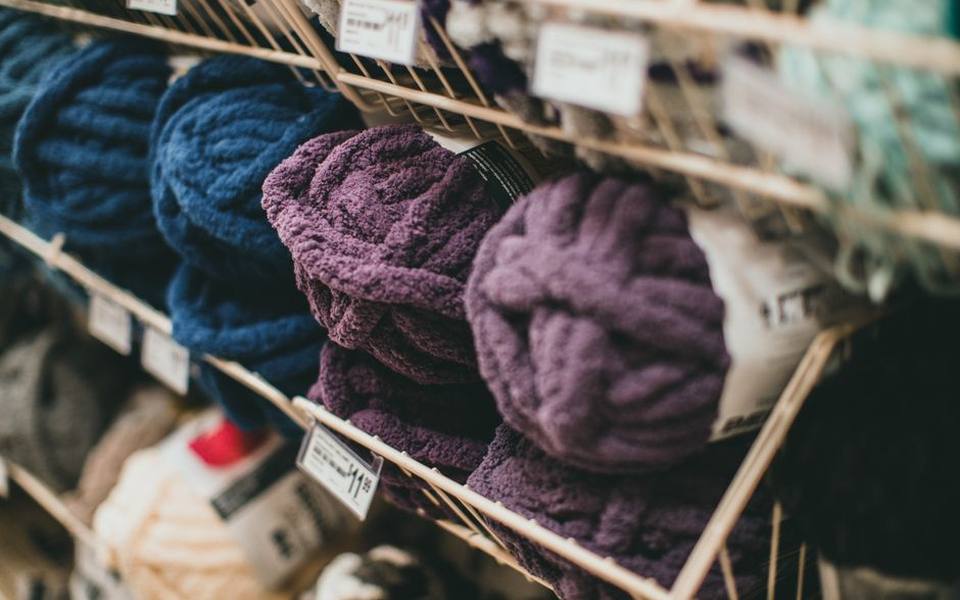
Local storefronts eliminate guesswork regarding hand-feel, structural elasticity, and exact color balance. When visiting a physical store, staff members usually allow you to drape a skein against your neck to test for fiber sensitivity or compare contrasting colorways in natural daylight. For garments like sweaters or scarves worn against bare skin, verifying the softness in person prevents costly project abandonment after dozens of hours of labor.
When purchasing online is necessary due to limited local access, look for retailers that document dye lot codes on product listings and offer generous exchange terms. Reputable online suppliers typically provide clear photographs taken under balanced daylight bulbs alongside customer swatches. Reading buyer reviews specifically focused on yardage accuracy, splitting tendencies, and knots per skein will save you from unexpected surprises during your project.
Strategies for Purchasing Yarn on a Modest Budget
Working on a budget does not require settling for scratchy fibers that unravel or split constantly while on your hook or needles. One of the most effective ways to lower project costs is focusing on reliable premium acrylics, acrylic-wool blends, and commercially packaged cottons. Synthetic blends have improved considerably over the years, offering machine-washable resilience and surprisingly soft textures at a fraction of the cost of pure animal fibers.
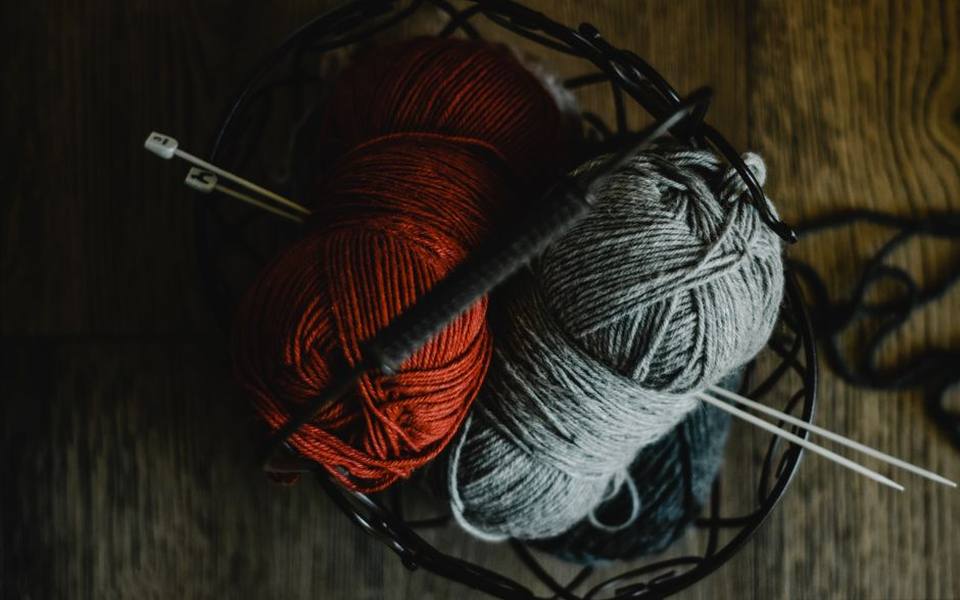
Clearance sections, seasonal inventory cycles, and mill-end bags represent substantial cost savings for budget-conscious makers. Mill ends are factory surplus skeins sold in bundled clear bags without official branding or standardized labels, typically discounted heavily. While these bags require you to calculate yardage and fiber type manually through a burn test or wraps-per-inch measurement, they are ideal for hats, scarves, and practice swatches.
Another practical strategy involves purchasing undyed yarn directly in bare skein multipacks and applying cold-water dyes or food-safe pigments at home. Buying base wool or cotton in bulk uncolored lots can significantly reduce the unit price per hundred grams. It also grants complete creative freedom over color gradients, speckled finishes, and tonals without paying the retail markup associated with hand-dyed artisanal hanks.
Sourcing in Bulk for Sweaters, Blankets, and Large Runs
Large projects such as afghans, cardigans, and floor pillows require careful planning regarding volume, cost, and dye consistency. Buying individual balls piecemeal often leads to slight color variances between manufacturing runs, known as dye lot drift. When purchasing in bulk, ensure that every skein in your cart shares the identical dye lot number printed on the ball band, or request matched packs directly from the distributor before shipment.
Crafters searching for wholesale volumes or large single-color runs often turn to yarn sold on industrial cones rather than separate center-pull balls. Cone yarn is designed for machine knitting, weaving, and extensive handcraft projects, offering continuous yardage that minimizes the need to weave in dozens of loose ends. While cone yarn is often treated with a temporary spinning oil that must be washed out after finishing, it yields outstanding value per ounce.
If you plan to supply multiple projects or run a small craft business, exploring independent directories to identify regional suppliers across fabric and yarn centers nationwide can reveal bulk distributor options. Many regional distributors offer quantity discounts starting at five or ten bag increments, typically providing trade discounts to registered guild members, teachers, and independent designers.
Evaluating Fiber Specifications and Skein Construction
Selecting the right yarn involves understanding how fiber structure interacts with your intended technique and tools. Knitting creates an interlocking structure with natural crosswise stretch, making bouncy, crimped wools and elastic blends forgiving on the hands. Crochet, by contrast, relies on wrapped post stitches that form a denser, firmer fabric; it often performs best with smooth, multi-ply yarns that do not catch hooks easily.
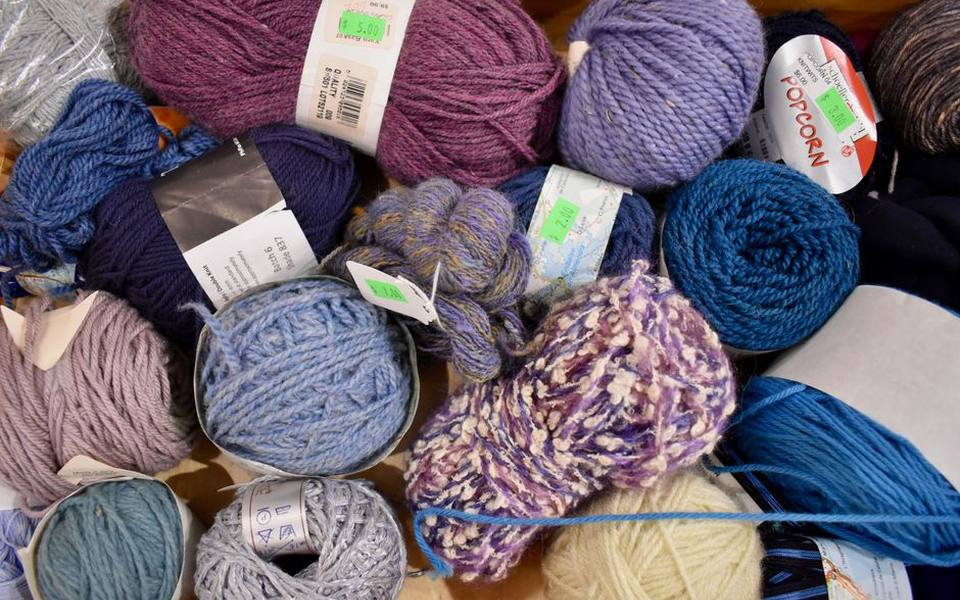
Pay close attention to yarn twist and ply construction indicated on the manufacturer label. Loosely twisted single-ply yarns feel exceptionally soft in the skein, but they tend to pill rapidly under friction and can split easily when worked with pointed metal crochet hooks. Multi-ply yarns with a balanced, tight twist provide crisp stitch definition, hold up well against heavy washing, and maintain structural integrity throughout extensive wear.
Finally, review the fiber care instructions thoroughly before finalizing your purchase. Superwash wools have had their exterior scales chemically smoothed or coated, allowing machine washing without felting, though they can stretch out considerably when wet. Untreated animal fibers require gentle hand washing and flat air-drying, making them better suited for heirloom shawls, winter outerwear, and structured decorative items.
Published 2026-09-20 · reviewed with each rebuild, last September 2026.
Find quilt & fabric shops near you
The directory lists 34,002 quilt & fabric shops by state and city — pick your state or use the “Near me” button in the header.
More guides
-
 Buying
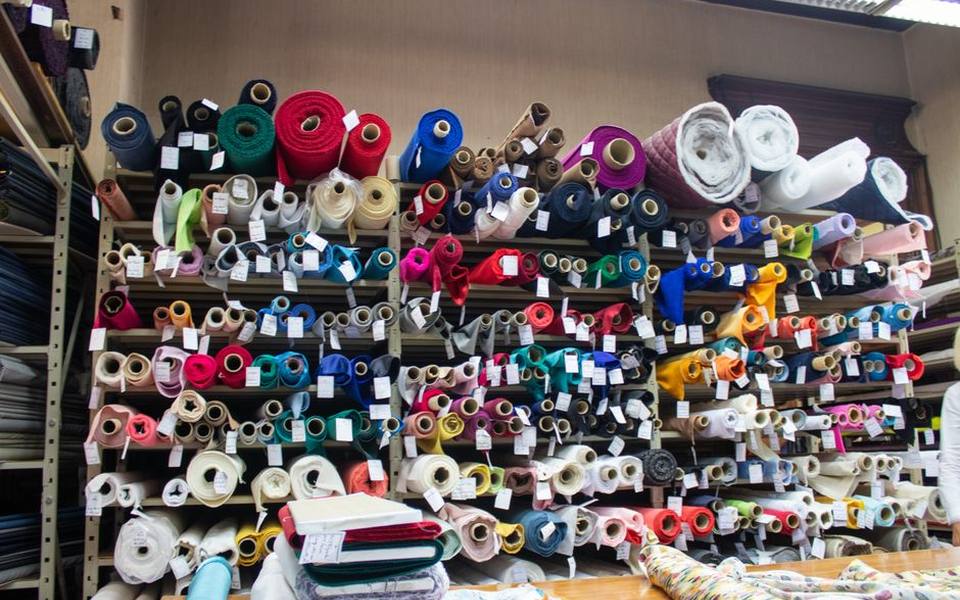
Where to Buy Fabric: Sourcing Alternatives Online and Locally
-
 Service
DIY Zipper Repair and Simple Clothing Alterations Guide
-
 Buying
Beginner Embroidery Kits and Thread Selection: What to Know Before You Stitch
-
 Buying
Beginner's Guide to Quilting and Essential Sewing Supplies
-
 Buying
Essential Guide to Sewing and Quilting Notions
-
 Owning
How to Make a DIY T-Shirt Quilt: Step-by-Step Guide
-
 Buying
Choosing Beginner Sewing Machines: Janome Models and Maintenance Costs