Navigating modern fabric sourcing beyond big-box chains
You can buy fabric through independent quilt shops, specialized online fabric merchants, regional warehouse liquidators, and direct mill outlets. While national chain stores once served as the default stop for crafters, recent industry restructuring, bankruptcies, and downsized inventory footprints have left many sewists looking for dependable alternatives. Sourcing good yardage today often means looking past big-box craft aisles and exploring dedicated retailers who specialize strictly in textiles.
The current textile retail market is split largely between community-based storefronts and niche internet sellers. Neighborhood shops generally focus on premium quilting cottons, notions, and personal customer guidance. In contrast, digital merchants frequently carry broader selections of garment textiles, designer deadstock, and utility cloth that general retail stores rarely stock in meaningful quantities.
Choosing the right source depends entirely on your project requirements, timeline, and comfort with purchasing textiles sight unseen. Understanding the core strengths of each channel helps you avoid overpaying for everyday basics or ending up with poor-quality fibers that fray and shrink after a single wash cycle.
The enduring value of independent local fabric shops
Visiting a brick-and-mortar fabric shop remains the gold standard for judging color, drape, and texture. Digital screens rarely represent subtle shade variations accurately, and feeling the hand of a weave prevents costly mistakes on delicate projects. Dedicated independent retailers typically curate higher-grade base cloths that hold their structure better under a sewing foot than mass-market craft textiles.
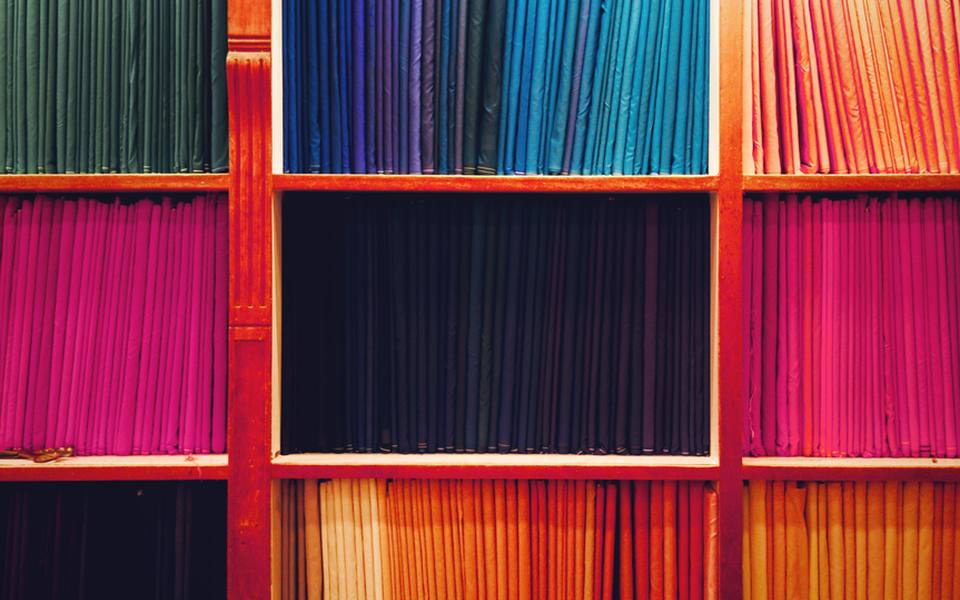
Beyond bolts on the shelf, local stores serve as educational centers where you can tap into staff expertise before cutting into expensive yardage. Many shops feature community workshops and hands-on quilting classes where makers learn how specific fiber blends behave under tension. This direct interaction makes brick-and-mortar shopping ideal whenever you need exact color matching or technical advice on interfacing and thread weights.
Regional communities often maintain surprisingly deep inventories through specialized storefronts. Whether browsing multi-room shops or destination stops across fabric retailers in Texas and neighboring regions, mapping out stops using nationwide quilt and fabric shop directories frequently reveals independent sources that carry extensive lines of heritage prints, linens, and domestic wools.
Ordering textiles online from specialty merchants and deadstock jobbers
Online fabric shopping provides access to virtually unlimited textile varieties, including hard-to-find garment bases like tencel, rayon challis, boiled wool, and raw silk. Specialty online merchants typically photograph their inventory beside rulers and provide detailed specifications, including fabric weight in ounces or grams per square meter, opacity ratings, and fiber percentages.
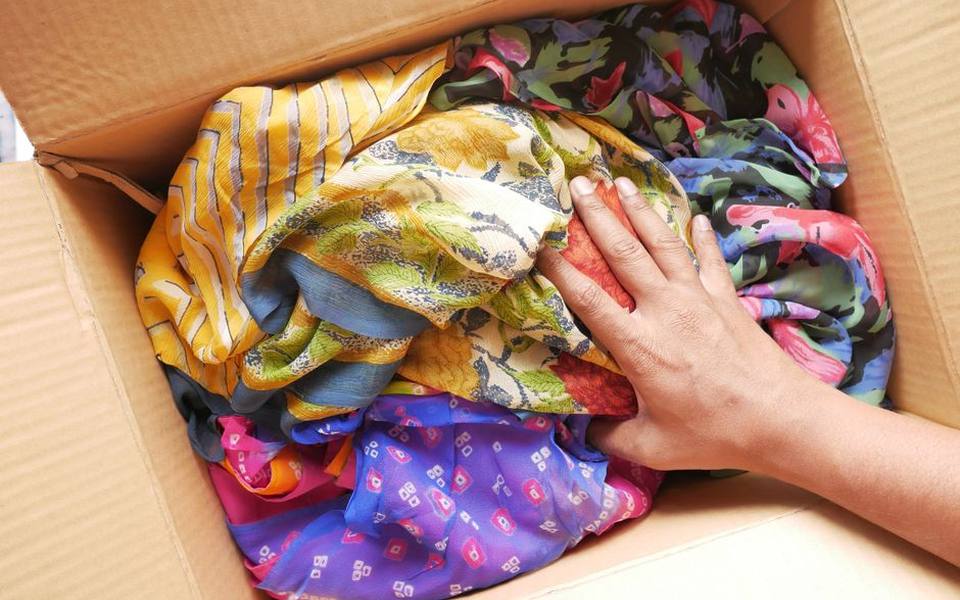
A growing portion of the online textile market consists of deadstock jobbers who purchase leftover rolls from fashion houses and garment manufacturing facilities. These shops sell designer-quality textiles directly to home sewists at competitive rates. The primary trade-off is inventory finality: once a particular deadstock run sells out, retailers can rarely reorder identical yardage, making accurate yardage estimates essential before checkout.
When buying online, ordering fabric swatches or sample cuts is the most reliable way to prevent disappointment. Swatches allow you to test how the material launders, whether colors bleed, and if the hand suits your garment pattern. Reputable digital retailers typically process swatch requests for a nominal fee and clearly disclose their return terms for custom-cut yardage.
Strategies for securing affordable yardage and volume discounts
Sewing on a budget does not require settling for scratchy or loosely woven cloth. One practical way to lower yardage costs is purchasing full bolts directly from commercial suppliers or cooperative buying groups. Full bolts typically contain anywhere from ten to fifteen yards of continuous fabric, and merchants frequently discount the per-yard price when you purchase the entire roll rather than requesting custom cuts.
Warehouse liquidators and clearance outlets represent another cost-effective avenue for budget-conscious sewists. These businesses buy overstock, discontinued seasonal lines, and remnants from mills, offering them at reduced prices. Remnant bins in brick-and-mortar stores are equally valuable for smaller projects, quilt blocks, and pocket linings, often priced well below regular shelf rates.
Alternative textile sourcing extends to second-hand goods as well. Vintage bed linens, cotton tablecloths, and estate sale stashes often yield high-thread-count materials that have already been pre-shrunk through decades of washing. These sources provide durable, inexpensive yardage ideal for practicing pattern adjustments, constructing mockups, or piecing utility quilts.
Matching fabric retailers to your specific project needs
A retailer that excels in colorful quilting cottons may offer little to nothing for home decor or apparel tailoring. Standard quilting cotton lacks the necessary stretch and drape required for structured apparel, and it is far too lightweight to withstand friction on furniture. Identifying your project's physical requirements before you start shopping prevents wasted investment.
If your work involves slipcovers, drapery panels, or structural outdoor cushions, seek out dedicated retailers specializing in durable upholstery and home decor fabrics. These materials feature much higher rub counts, specialized weave backings, and stain-resistant finishes that general craft shops rarely stock in sufficient yardage.
Garment makers, meanwhile, benefit most from merchants focused on apparel substrates with consistent stretch recovery and proper drape. Balancing specialized online suppliers for garments with local shops for thread, needles, and foundational cottons allows you to source reliable materials without relying on a single large retail chain.
Published 2026-09-20 · reviewed with each rebuild, last September 2026.
Find quilt & fabric shops near you
The directory lists 34,002 quilt & fabric shops by state and city — pick your state or use the “Near me” button in the header.
More guides
-
 Service
DIY Zipper Repair and Simple Clothing Alterations Guide
-
 Buying
Beginner Embroidery Kits and Thread Selection: What to Know Before You Stitch
-
 Buying
Where to Buy Yarn for Knitting and Crochet: Sourcing Guide
-
 Buying
Beginner's Guide to Quilting and Essential Sewing Supplies
-
 Buying
Essential Guide to Sewing and Quilting Notions
-
 Owning
How to Make a DIY T-Shirt Quilt: Step-by-Step Guide
-
 Buying
Choosing Beginner Sewing Machines: Janome Models and Maintenance Costs