How Fabric Structure and Drape Dictate Project Success
Choosing fabric off the bolt involves much more than finding an attractive print or color. The way a textile hangs, gathers, and resists tension depends primarily on how its fibers are spun and woven. Drape refers to the fluid line a hanging length creates under its own weight, ranging from the crisp, structural fold of poplin to the liquid cascade of rayon. When you browse fabric in person, unroll eight to twelve inches from the bolt and support it across the back of your hand to observe whether it breaks in sharp angles or soft waves.
Weight is measured in ounces per square yard or grams per square meter, though many independent retail stores categorize bolts simply as lightweight, medium-weight, or heavyweight. A lightweight cotton cloth material behaves beautifully for gathered summer blouses or garment linings, but it will quickly buckle or tear if pulled across a padded bench seat. Matching the physical mass and grain stability of the yardage to your intended pattern prevents structural failures, puckered seams, and premature fabric fatigue.
Grainline alignment determines whether your finished project hangs straight or twists after its first wash. Woven textiles possess a lengthwise warp running parallel to the selvage and a crosswise weft woven across it. The true bias cuts across these threads at a precise forty-five-degree angle, providing maximum stretch and fluid give even in non-stretch fibers. Inspecting the bolt for squareness ensures you do not purchase skewed yardage that will cause your garment side seams or quilt blocks to torque out of square.
Cotton Varieties for Quilts, Garments, and Daily Wear
Cotton remains the cornerstone of modern sewing due to its breathability, durability, and straightforward handling under the needle. Standard quilting cotton features a balanced plain weave that resists shifting during intricate cutting and piecing. While perfect for quilts, tote bags, and structured aprons, quilting cotton tends to hold a boxy shape when sewn into apparel. For natural cotton clothing intended for warm weather, lighter options such as lawn, batiste, and voile offer a much gentler hand and a softer drape against the body.
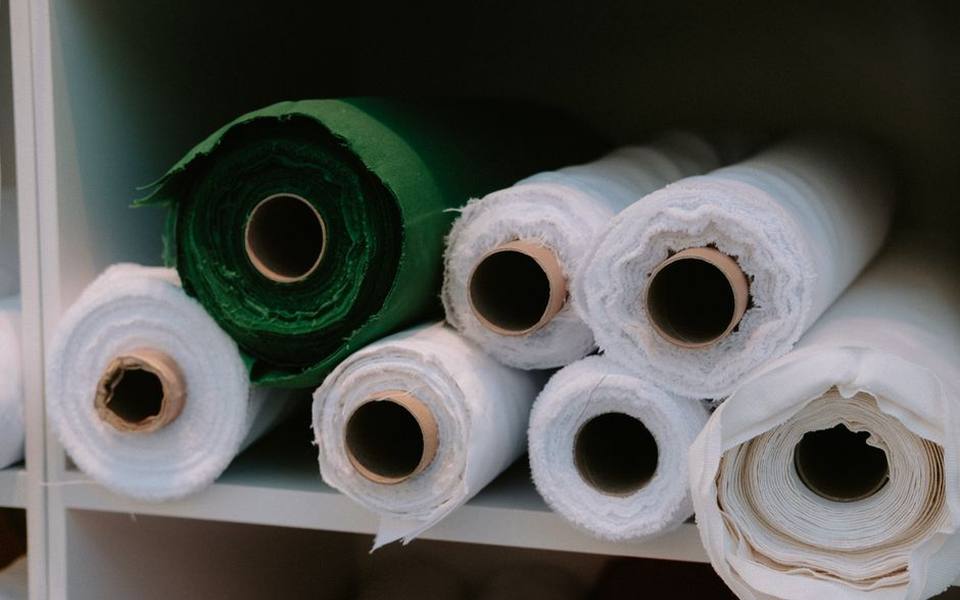
Heavier cotton cloth fabric variations like twill, canvas, and denim rely on distinct weaving patterns that dramatically boost abrasion resistance. Twill creates a visible diagonal rib that sheds surface dirt and withstands repeated rubbing, which is why it serves as the standard for work pants and chore jackets. Broadcloth offers a slightly denser, crisper finish than standard quilting cotton, making it a reliable choice for men's dress shirts and structured collars that require clean, press-holding edges.
Care for pure cotton is generally forgiving, yet natural cellulose fibers shrink anywhere from three to seven percent during their initial laundering cycle. Hot dryer temperatures can also degrade cotton fibers prematurely over several years. Machine wash your yardage in cold or warm water and tumble dry on medium before making your first pattern cut, ensuring that all dimensional changes occur before construction begins.
Working with Pure Flax Linen and Sturdy Sheeting
Flax linen carries a history spanning millennia, prized for natural hollow fibers that wick moisture and conduct heat away from the body in warm climates. Unlike standard plain-woven cotton, linen yarn features distinct natural irregularities called slubs, which create a tactile, textured surface. Garment-weight linen typically softens significantly after several washes, transitioning from a slightly stiff, papery bolt feel to a buttery, relaxed drape that defines casual summer tailoring.
Heavier grades, widely known as sheeting linen, feature thicker yarns woven tightly to handle substantial friction and repeated laundering. While historically reserved for household bedding, modern sewists frequently select sheeting linen for casual trousers, unstructured chore jackets, and durable slipcovers. This weight provides enough body to avoid sheer show-through while retaining the moisture-regulating properties that make natural flax exceptionally comfortable in humid environments.
Sewing pure linen requires attention to fraying, as the thick, loosely spun yarns unravel rapidly along raw cut edges. Finishing your seams with flat-felled construction, French seams, or clean serging is practically mandatory for longevity. Pressing linen requires high heat and generous steam while the yardage remains slightly damp. Those seeking professional construction methods can explore hands-on quilting workshops to sharpen their rotary cutting and precise seam-finishing techniques.
Bamboo Linen, Rayon, and Soft Modal Fabrics
The textile market frequently blurs the line between natural cellulose fibers and regenerated synthetics, particularly within the category of bamboo textiles. True mechanically processed bamboo linen exists, yielding a crisp, slightly coarse texture similar to flax, but it remains relatively uncommon. The vast majority of bolts labeled with bamboo references are actually viscose or rayon derived from bamboo pulp, yielding an exceptionally smooth, heavy drape with cool surface friction.
For relaxed wardrobe staples, modal clothing has surged in popularity because modal is a modified high-wet-modulus rayon that maintains greater tensile strength when saturated with water than standard viscose. Sourced predominantly from beech tree cellulose, modal knits and wovens drape close to the silhouette, resisting the pilling and fiber breakdown that often plague lower-grade synthetic blends. Modal provides a luxurious feel for lounge garments, underlayers, and fluid wrap dresses that require dynamic movement.
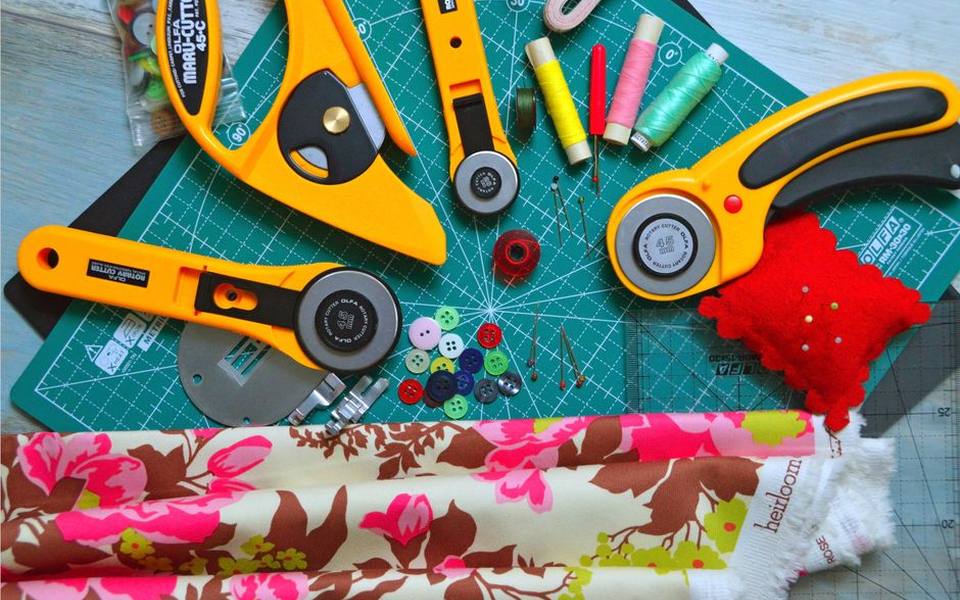
Handling these fluid cellulose materials at the cutting table presents distinct challenges, as the yardage easily slides off flat surfaces and shifts out of square. Using a rotary cutter paired with pattern weights produces far cleaner pattern pieces than lifting the slippery fabric with traditional shears. Keep your sewing machine feed dogs balanced and lower your presser foot tension slightly to prevent the slick fabric layers from creeping unevenly through the needle area during stitching.
Handling Velvets, Velveteens, and Directional Pile Fabrics
Velvets stand out across fabric stores for their luxurious depth of color, created by thousands of short, upright yarn tufts known as the pile. The composition of the pile dictates both the luster and the challenge of sewing: silk and rayon pile variants drape with liquid elegance and high sheen, whereas cotton velveteen offers a denser, matte, and more structured hand. Synthetic polyester velvets offer high stain resistance and structural durability, though they lack the breathability of natural fibers.
Every cut made from pile yardage must strictly respect the fabric nap, which is the directional angle at which the surface fibers lean. Running your hand along the bolt lengthwise reveals the direction: running with the nap feels silky smooth, while brushing against the nap produces a richer, darker color and noticeable resistance. All garment or cushion panels must be arranged facing the exact same direction on the grain; cutting a single pocket or sleeve upside down results in a visible color clash under natural light.
Pressing velvet with a flat household iron can permanently crush the delicate upright pile, creating permanent shiny patches that cannot be brushed out. Professional dressmakers use a needle board—a specialized mat covered in thousands of tiny upright wires—to cushion the surface during underside pressing. If a needle board is unavailable, resting the face of your velvet against another spare scrap of matching velvet while using gentle steam helps protect the pile texture.
Understanding Modern Polyester Cloth and Blended Fibers
Synthetic textiles have evolved significantly past the stiff double-knits of decades past. Contemporary polyester cloth fabric offers outstanding tensile strength, wrinkle recovery, and resistance to shrinking or stretching over years of hard use. Because polyester filaments absorb virtually no ambient water, a high-grade polyester cloth material dries exceptionally fast and holds permanent pleats, sharp creases, and vivid colorations through dozens of laundry cycles without noticeable fading.
Blended textiles combine the best performance traits of multiple fiber families to achieve practical balance. Poly-cotton blends, for example, merge the natural breathability and softness of cotton with the wrinkle resistance and tear strength of polyester, making them standard for everyday medical scrubs, uniforms, and casual shirting. When synthetic threads are woven into linen or wool, they significantly diminish creasing and reduce overall shrinkage during wet cleaning cycles.
The primary vulnerability of synthetic textiles lies in their sensitivity to excessive heat during laundering and pressing. A hot domestic iron can melt or glaze polyester fibers within seconds, leaving permanent scorched marks along seam lines. Always test your iron temperature on a hidden corner scrap and insert a clean cotton pressing cloth between the soleplate and synthetic yardage. If you need assistance fitting complex synthetic garments, consulting a professional garment alteration specialist can ensure smooth, puckering-free results.
Selecting Fleece and Insulating Winter Yardage
Fleece fabric represents one of the most practical applications of synthetic polyester engineering, mimicking the insulating loft of wool without the scratchiness or wet weight. Polar fleece features a brushed double-sided pile that traps body warmth inside tiny air pockets, making it the premier yardage for outdoor blankets, cold-weather vests, and cozy pet gear. Because it is a knit construction, fleece provides gentle crosswise give while remaining remarkably stable along the vertical grainline.
Different varieties of fleece cater to specific project needs, ranging from lightweight microfleece for athletic pullovers to thick sherpa fleece with a curled, lambswool-like face. Sweatshirt fleece, by contrast, typically features a smooth, flat-knit cotton or poly-cotton exterior with a brushed, fuzzy interior backing. Unlike standard woven fabrics, the edges of synthetic fleece do not fray when sheared, allowing sewists to bypass edge-hemming on quick utilitarian projects like tie blankets or emergency throws.
Sewing through thick fleece layers requires practical machine adjustments to avoid skipped stitches and jammed feed mechanisms. Switch your machine to a stretch or ballpoint needle, which slips between synthetic knit loops rather than piercing through and severing individual threads. Lengthen your straight stitch slightly to compensate for the loft, or employ a walking foot attachment to feed the top and bottom fluffy layers through your machine at an identical pace.
Evaluating Heavyweight Textiles for Home Furniture
Selecting a durable reupholstering fabric requires looking beyond color cards to examine technical durability metrics like double-rub counts. In commercial testing, machines run an abrasive mechanical arm back and forth across test yardage until the material displays visible yarn wear. Fabrics intended for heavy living room use typically carry Wyzenbeek ratings of fifteen thousand to thirty thousand double rubs, whereas lighter decorative fabrics suited only for occasional bedroom chairs fall far lower.
Dense natural weaves like cotton duck and heavy basketweaves provide substantial structural stability, though they absorb household spills quickly unless treated with topical stain barriers. For dining seats and family room couches, commercial-grade synthetic velvets, textured jacquards, and polyester-acrylic blends offer significantly higher resistance to liquid absorption and surface abrasion. Sourcing heavy-duty yardage from retailers offering specialized upholstery fabric ensures you receive goods designed to stretch across furniture corners without tearing under staple tension.
When purchasing yardage for home furnishings, remember that upholstery bolts typically measure fifty-four inches wide, which differs from the standard forty-two- to forty-four-inch widths common in quilting cotton sections. Always calculate pattern repeats carefully when dealing with damasks, woven plaids, or large florals. If your project includes window treatments to match new furniture covers, coordinating directly with custom drapery workrooms ensures patterns align seamlessly across large architectural spaces.
Preparing Woven Cloth for Surface Painting and Dyes
Customizing plain cloth painting substrates allows crafters and textile artists to generate original wall art, printed banners, and bespoke wearable garments. Natural fibers such as unbleached cotton canvas, linen sheeting, and silk absorb water-based pigments and fabric dyes far more thoroughly than synthetic synthetics. Polyester fibers possess a non-porous, smooth molecular structure that repels standard craft paints, causing the color to sit loosely on the surface and peel away after laundering.
Before applying any paints, inks, or dyes to yardage, you must thoroughly wash the material to eliminate chemical sizing and mill lubricants. Textile mills routinely apply starches to warp yarns to withstand the high friction of automated industrial weaving. If left in the cloth, this invisible film acts as a mechanical barrier that prevents paint pigments from binding directly into the natural cellulose fibers, leading to blotchy color distribution and premature fading.
Select acrylic-based fabric mediums or specialized textile pigments formulated to retain flexibility after curing under ambient heat. Standard craft acrylics dry into a brittle, plastic-like crust that cracks as soon as the textile folds or stretches. Once your painted surface dries completely, fix the pigments according to the product guidelines, which typically requires pressing the reverse side with a dry, medium-hot iron for several minutes.
Yardage Calculations and Pre-Washing Realities
Accurate yardage estimation prevents the frustration of running short midway through an assembly process when the fabric store may have exhausted the dye lot. Apparel patterns list fabric requirements based on standard bolt widths, typically forty-four inches or sixty inches. If your chosen bolt is narrower than your pattern specifies, you will need to purchase additional length to accommodate your pattern layout without compromising the straight of the grain.
Directional patterns, large plaids, and fabrics with a pronounced pile nap demand supplemental yardage beyond standard envelope recommendations. Matching a wide vertical or horizontal plaid across center-front garment closures or cushion seams generally requires an extra half-yard to full yard depending on the size of the repeat. Purchasing ten to fifteen percent extra material is standard insurance against unexpected cutting mistakes or severe shrinkage during the preliminary wash cycle.
Never skip the pre-washing phase unless you are constructing an heirloom quilt specifically intended to crinkle after assembly. Always wash and dry your unstitched yardage using the identical water and heat settings you plan to use for the completed item. Keeping your sewing tools well-maintained ensures you glide through these projects cleanly; if your machine hesitates on thick hems, visit local machine dealerships for proper maintenance or specialized walking foot attachments.
Machine Setup, Needle Selection, and Tension Tuning
A sewing machine performs only as well as its needle pairing, which must change whenever you transition between different fiber families. Universal needles handle standard medium-weight cotton broadcloth and balanced poly-cotton blends with ease, featuring a slightly rounded tip that pierces woven threads cleanly. However, using a universal needle on delicate modal knits often punctures the spun fibers, producing tiny runs and holes along seam lines that only appear after wear.
Jersey and knit fleeces require dedicated ballpoint or stretch needles that nudge aside knit loops without severing the elastane or polyester yarn filaments. Conversely, crisp high-thread-count sheeting linen, microfibers, and densely woven canvas require sharp Microtex needles with a slender, acute point that cleanly penetrates tight weaves without deflecting. A dull needle produces an audible popping sound with every puncture, serving as a clear warning to install a fresh point immediately.
Thread selection should mirror the fiber type and weight of your primary fabric to prevent premature seam failure. Stitching pure cotton yardage with high-strength synthetic polyester thread can cause the tougher thread to slowly saw through softer natural fibers over years of frequent laundering. Balancing your upper tension dial and bobbin case tension on a folded fabric scrap before touching your cut garment pieces prevents frustrating bird's nests and puckered seam lines.
Published 2026-09-21 · reviewed with each rebuild, last September 2026.
Find quilt & fabric shops near you
The directory lists 33,981 quilt & fabric shops by state and city — pick your state or use the “Near me” button in the header.
More guides
-
 Buying
Where to Buy Fabric: Sourcing Alternatives Online and Locally
-
 Service
DIY Zipper Repair and Simple Clothing Alterations Guide
-
 Buying
Beginner Embroidery Kits and Thread Selection: What to Know Before You Stitch
-
 Buying
Where to Buy Yarn for Knitting and Crochet: Sourcing Guide
-
 Buying
Beginner's Guide to Quilting and Essential Sewing Supplies
-
 Buying
Essential Guide to Sewing and Quilting Notions
-
 Owning
How to Make a DIY T-Shirt Quilt: Step-by-Step Guide
-
 Buying
Choosing Beginner Sewing Machines: Janome Models and Maintenance Costs
-
 Buying
Jelly Rolls and Precut Fabrics: Sizes, Quilt Patterns, and Buying Guide
-
 Buying
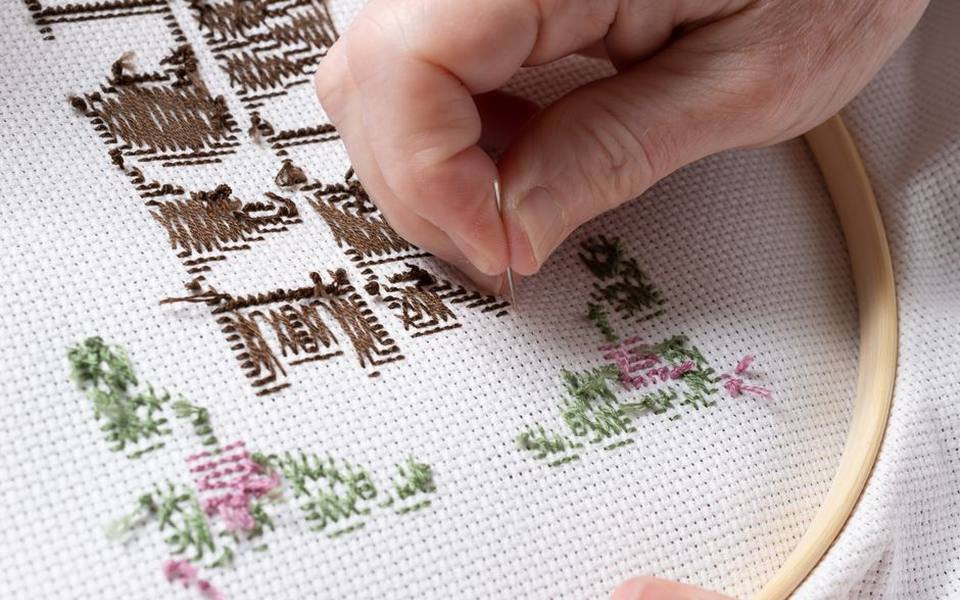
Cross Stitch and Embroidery Supplies: Aida Cloth, Floss, Kits, and Patterns
-
 Buying
Quilting Patterns, Blocks, and Techniques: From Log Cabin to Paper Piecing
-
 Service
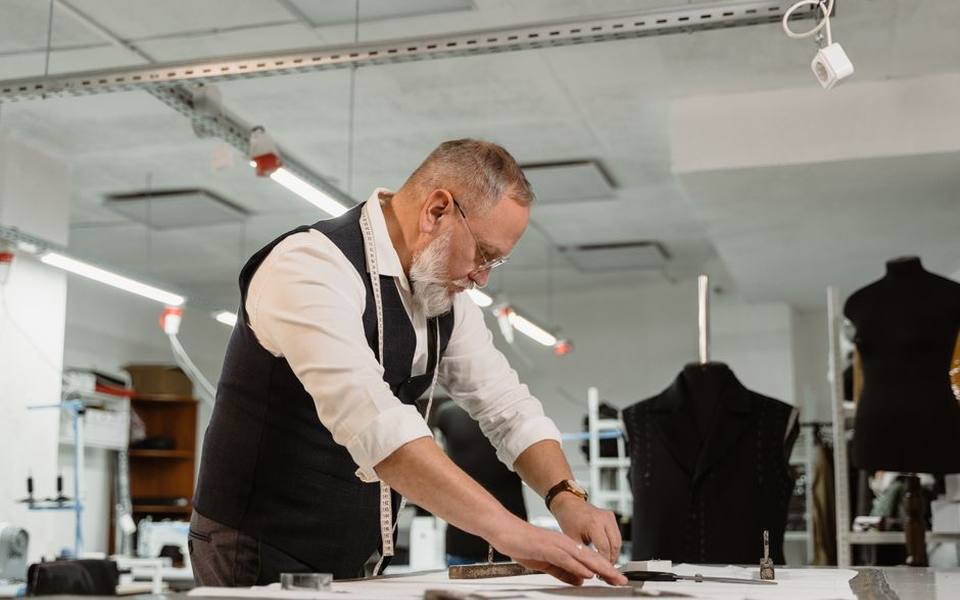
Complete Guide to Clothing Alterations and Tailoring Services
-
 Owning
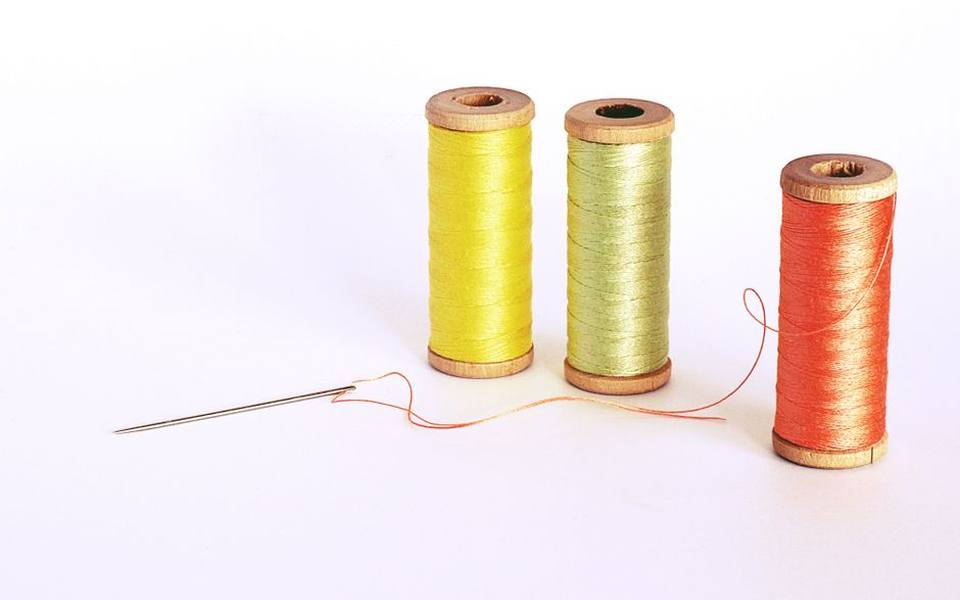
Sewing Machine Needles, Bobbins, and Thread Compatibility Guide
-
 Owning
Beginner Sewing Machines: Selection, Oiling, and Repair Basics
-
 Buying
Sunbrella and Outdoor Fabrics Guide: Selection, Cushions, and Care