Navigating the World of Quilt Patterns and Patchwork
Quiltmaking begins with understanding how geometric shapes assemble across a repeated grid. When selecting quilt patterns, makers must evaluate cutting lists, fabric grain orientation, and required seam accuracy before purchasing supplies. Traditional quilt patchwork relies on simple shapes—squares, rectangles, and triangles—repeated and rotated to produce complex optical movement. Whether you are stitching a first sampler or planning an intricate heirloom, analyzing block structure early protects your investment and ensures a satisfying construction process from the first cut.
Modern quilters have access to a broader selection of pattern formats than any generation before them. From step-by-step printed booklets found at independent shops to digital downloads, instructional material ranges widely in detail. Many patterns assume a baseline understanding of rotary cutting, accurate quarter-inch seam allowances, and pressing etiquette. Reading through the entire sequence before purchasing fabrics helps clarify whether a project relies on straight grain piecing, template tracing, or specialty techniques that might demand dedicated notions.
Layout structure determines how individual blocks interact across the surface. An alternating block layout with solid setting squares creates negative space for decorative quilting, while edge-to-edge block designs merge secondary motifs seamlessly. Before visiting a retailer, sketching dimensions and calculating total yardage gives you a firm grasp on overall scale. Many hobbyists look for quilt shops with classes to build confidence in decoding complex pattern schematics alongside experienced teachers who can spot construction bottlenecks early.
The Enduring Appeal of the Log Cabin Quilt Pattern
Among traditional American designs, the log cabin quilt pattern remains one of the most recognizable and versatile layouts in textile history. Built around a central hearth square, narrow fabric strips—often referred to as logs—are joined clockwise or counter-clockwise in successive rounds. The foundational aesthetic hinges on dividing the block into light and dark halves. This intentional tonal contrast allows the finished blocks to form larger secondary arrangements, including barn raising, straight furrows, and streak of lightning layouts.
Strip piecing dramatically speeds up the construction of log cabin units. Rather than cutting dozens of individual rectangles, quilters frequently join continuous yardage strips to block centers before trimming them flush with a rotary ruler. While the geometry is straightforward, maintaining consistent tension is vital. Because logs run in opposing directions, cumulative errors in seam allowance can cause outer strips to ripple or pull out of square, turning flat blocks into shallow fabric bowls.
Pressing direction plays a crucial role in keeping log cabin blocks completely flat. Pressing seams outward toward the newest strip reduces bulk at corner intersections and reinforces block stability. Modern makers often experiment with varied strip widths or off-center focal squares to generate contemporary movement. Variations such as the courthouse steps block alter the sequence by attaching strips to opposing sides in pairs, presenting a symmetrical, architectural variation on the classic theme.
Mastering Directional Geometry with Flying Geese
The flying geese unit is a staple of dynamic quilt patchwork, appearing in star points, borders, and complex compass blocks. Composed of a central wide triangle flanked by two smaller half-square triangles, this unit conveys forward motion across a quilt top. The standard proportion features a two-to-one finished ratio, such as two inches high by four inches wide. Preserving the delicate quarter-inch seam allowance at the peak triangle point is essential; otherwise, border seams will blunt the crisp geometric apex.
Traditional assembly methods involved cutting individual triangles from square stock, but handling exposed bias edges frequently resulted in stretched, distorted units. Modern pattern designers favor the four-at-a-time method, which pairs four small squares over one large square using straight diagonal sewing lines. This approach completely avoids raw bias cuts during sewing, yielding four perfectly mirrored geese with minimal trimming. Accurate fabric marking and steady feeding through the presser foot remain crucial for maintaining symmetry.
If your machine tends to chew delicate points at the start of a seam, fine-tuning feed dog alignment or switching to a straight-stitch needle plate makes an immediate difference. Visiting a specialty retailer that provides quilt shops with sewing machine sales & service can help you test dedicated quarter-inch feet or dual-feed mechanisms. These physical adjustments eliminate fabric shifting, ensuring that every flying geese point meets neighboring sashing with pinpoint accuracy.
Conquering Intricate Blocks and the Feathered Star
For seasoned quilters seeking an engineering challenge, few traditional designs rival the majestic feathered star. Unlike basic eight-pointed stars made from diamond pairs, this historical block features intricate, fine-scale feathering along the exterior perimeter. Constructing a feathered star requires juggling dozens of diminutive half-square triangles, sharp diamonds, and inset corner squares. Even a tiny fraction of a thread's variance on individual seam lines multiplies across the block, creating noticeable shifts in total block perimeter.
Success with complex medallion blocks demands rigid discipline during pressing and cutting. Star points create multiple bias edges that easily deform under the heat and friction of an iron. Seasoned makers rely on dry, vertical pressing motions rather than sliding the soleplate back and forth. Fabric starch or sizing sprays applied to yardage prior to cutting add structural rigidity, stabilizing delicate fibers while miniature triangle units pass under the needle and join the main central star.
Organization prevents confusion when assembling blocks with high piece counts. Labeling sorted units with numbered plastic clips or keeping them in partitioned trays keeps left and right directional feathers distinct. While challenging, completing a feathered star remains a milestone accomplishment in textile craft. The block frequently serves as the focal centerpiece of wholecloth quilts, surrounded by simpler framing borders that celebrate the maker's meticulous technical precision and patience.
Starting Small with Simple Quilt Patterns for Beginners
Beginning a quilting journey can feel intimidating when browsing complex catalog images, but starting with simple quilt patterns builds foundational hand-eye coordination without frustration. Basic arrangements like the four-patch, nine-patch, and rail fence rely entirely on straight line cuts and repetitive right-angle seams. These patterns teach beginners how fabric grains behave, how to nest intersecting seams for flat joints, and how to measure unfinished blocks against acrylic rulers to verify squareness before final assembly.
Half-square triangles represent another accessible entry point that unlocks hundreds of design configurations. By sewing two contrasting fabric squares along a diagonal line, quilters generate two versatile units that can be rotated to form pinwheels, chevron stripes, or broken dishes layouts. Because these units feature one bias seam, working with them teaches beginner makers the importance of gentle handling and careful rotary trimming to eliminate protruding dog ears before final joining.
Taking time to practice on smaller projects like table runners or baby quilts keeps initial investment manageable. A smaller quilt sandwich allows newcomers to practice domestic machine quilting and binding without wrestling unwieldy rolls of batting. When beginning makers experience consistent results on humble grid projects, their confidence grows exponentially. That practical foundation makes transitioning to intricate stars, curves, and medallion arrangements a natural, stress-free progression in personal craftsmanship.
Commercial Inspiration and the Aesthetics of Retail Bedding
Many people first develop an appreciation for stitched bedding through high-end home decor stores, where items like pottery barn quilts showcase understated elegance. Retail bedding often emphasizes soft, washed linen textures, muted earthy palettes, and wholecloth stitching patterns rather than high-contrast, pieced geometric blocks. Studying these commercial textiles reveals how stitching density, batting loft, and natural fiber choices can create inviting warmth and relaxed drape without requiring complex multi-color piecing.
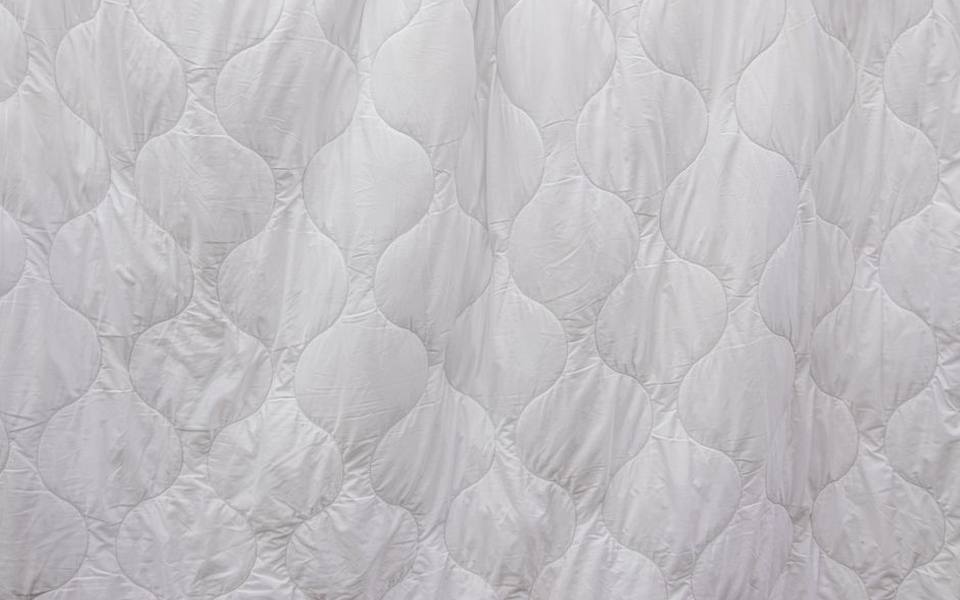
Translating that upscale commercial aesthetic into homemade projects is relatively straightforward for hobbyists. Instead of traditional calico prints, makers can select solid shot cottons, washed chambray, or European linen blends. Combining large, understated pieced panels with dense decorative stitching replicates the luxurious tactile weight seen in luxury home furnishings. The resulting quilt feels sophisticated and modern, fitting effortlessly into contemporary interior styling while offering genuine durability that mass-manufactured imports rarely match.
The primary difference between mass retail spreads and artisan quilts lies in the quilting execution itself. Factory bedding typically relies on automated high-speed multi-needle rollers, whereas bespoke quilts benefit from customized motifs that accentuate specific piecing lines. Quilters who assemble large tops often partner with longarm quilting services to apply dense edge-to-edge pantographs or custom heirloom feathering, achieving tailored loft and drape that rivals any boutique retail collection.
The Convenience and Reality of Fabric Bundles and Quilt Kits
For crafters who struggle with color coordination or lack time to scour fabric bolts, purchasing a quilt kits package offers a streamlined pathway to a finished project. A commercial kit quilt typically includes the designer's pattern alongside pre-measured yardage for the quilt top and binding. Every print and tonal solid is chosen by professional textile coordinators, removing guesswork and ensuring that value contrasts, scale balances, and complementary hues harmonize across every sewn block.
Despite their convenience, kits require careful evaluation before cutting begins. Manufacturers typically calculate fabric allowances tightly, often providing only ten to fifteen percent excess yardage above exact theoretical requirements. An accidental miscut on a primary sashing strip or focal border can leave a maker short of critical yardage, especially if the original collection has gone out of print. Measuring twice and planning cut layouts on paper protects against expensive, project-stalling cutting errors.
Precut kits—which supply die-cut shapes, charm squares, or jelly rolls—further reduce preparation hours by eliminating initial rotary ruler work. However, factory precut edges occasionally feature slight manufacturing tolerances or heavy pinking that can subtly skew your quarter-inch reference guide. Verifying seam allowances on scrap pieces ensures finished dimensions match the designer's intent. For many sewists, the time saved by a curated kit makes the modest price premium over raw yardage well worth it.
Sourcing Free Quilt Patterns and Video-Driven Communities
The digital era has transformed how craft information travels, giving sewists access to thousands of free quilt patterns produced by fabric manufacturers and educational hubs. Educational enterprises like the Missouri Star Quilting Company popularized fast, precut-friendly piecing methods through accessible video tutorials. The broader missouri star quilting movement inspired millions of home sewers to embrace precut bundles, simplifying traditional patchwork layouts like the dresden plate or churn dash into manageable afternoon tasks.
While complimentary downloadable guides are an incredible resource, makers should approach them with an analytical eye. Free patterns distributed online do not always undergo the rigorous multiple-stage tech editing that paid designer books receive. Errors in cutting charts, omitted seam allowances, or unclear assembly diagrams are relatively common in unvetted online downloads. Double-checking block math—ensuring interior dimensions add up correctly before slicing into precious fabric—prevents mid-project frustration and wasted yardage.
Visiting a regional quilt retailer remains an invaluable complement to digital tutorials and video demonstrations. Brick-and-mortar staff can clarify ambiguous pattern directions, recommend alternate yardage substitutions, and introduce you to local sew-alongs. Checking directory listings on independent fabric shops across all states lets you connect with local storefronts where you can physically handle samples, compare weights, and receive constructive guidance directly from veteran quilters.
Foundation Paper Piecing Versus Traditional Templates
When quilt patterns demand extreme geometric precision, microscopic star tips, or steep acute angles, foundation paper piecing becomes the method of choice. Rather than aligning cut fabric edges and trusting steady seam widths, the sewist prints pattern lines directly onto lightweight foundation paper. Fabric strips are pinned to the reverse side, and stitches are sewn directly through the printed lines on the paper's front face, guaranteeing exact dimensions regardless of seam alignment variability.
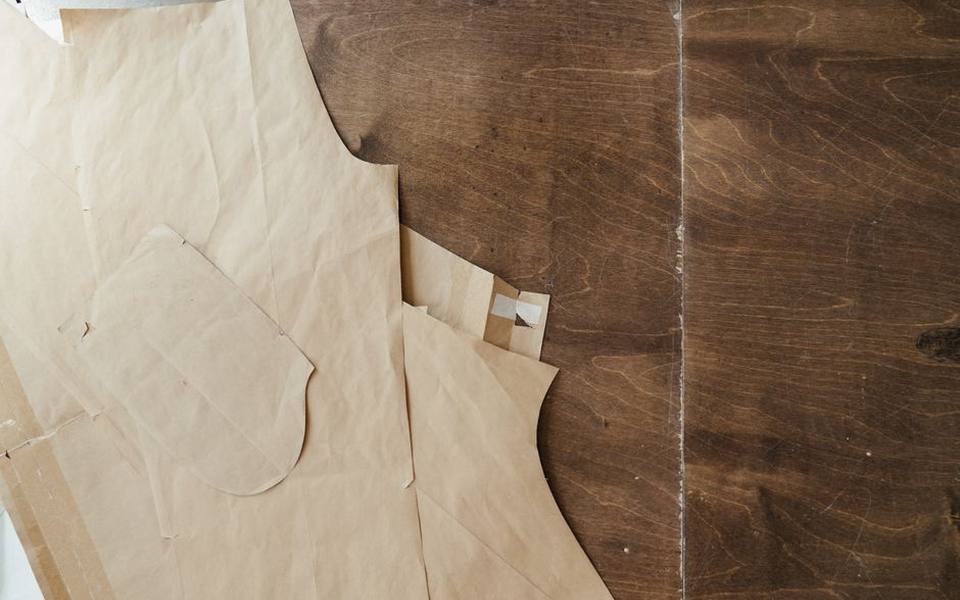
This technique flips traditional sewing instincts upside down. Construction occurs in reverse mirror-image order, requiring careful spatial awareness when placing, flipping, and trimming subsequent fabric pieces. Shortening your machine's stitch length to approximately 1.5 millimeters is vital; dense perforations make tearing away the temporary paper foundation effortless after assembly while preventing seam unraveling. Standard copy paper works well, though specialized water-soluble or fibrous foundation sheets reduce bulk at complex joins.
Acrylic templates offer a contrasting traditional approach, ideal for curved piecing like drunkard's path or double wedding ring blocks. Templates allow quilters to cut exact curved profiles with rotary blades, marking registration notches directly onto fabric edges. While acrylic tools require greater manual steering under the needle than paper foundation guides, they generate no paper waste and allow fluid, repetitive cutting for large scrap-busting bed quilts and medallion arrangements.
Preserving and Repairing Quilts with Sashiko and Hand Mending
Even the most durable heirloom quilts eventually suffer from fraying binding, worn seam junctions, or fabric thinning caused by years of household use. Rather than hiding wear or retiring damaged textiles to storage chests, many contemporary makers turn to traditional Japanese sashiko mending methods. Sashiko utilizes strong, non-stranded cotton thread and distinctive running stitches to affix supportive patch fabric over damaged sections, creating a decorative visual history of care and restoration.
The beauty of visible mending lies in celebrating the quilt's journey rather than disguising its age. Geometric patterns like hitomezashi or interlocking circles reinforce weakened batting and fraying cotton while lending distinct textural interest to weathered surfaces. Using a thimble and longer sashiko needles enables smooth gliding through dense quilted layers without puckering the backing. Selecting indigo patches or hand-dyed cotton swatches harmonizes beautifully with vintage feed sacks and faded calicos alike.
Proper routine maintenance prevents minor wear from escalating into irreversible structural damage. Washing quilts infrequently in gentle, fragrance-free solutions and line-drying them flat out of direct sunlight preserves fiber elasticity. When seams split along stress points, addressing them promptly with discreet blind stitches keeps internal batting securely enclosed. Honoring old textiles through attentive repair ensures that the artistry of patchwork and quilting endures across multiple generations of family life.
Published 2026-09-21 · reviewed with each rebuild, last September 2026.
Find quilt & fabric shops near you
The directory lists 33,981 quilt & fabric shops by state and city — pick your state or use the “Near me” button in the header.
More guides
-
 Buying
Where to Buy Fabric: Sourcing Alternatives Online and Locally
-
 Service
DIY Zipper Repair and Simple Clothing Alterations Guide
-
 Buying
Beginner Embroidery Kits and Thread Selection: What to Know Before You Stitch
-
 Buying
Where to Buy Yarn for Knitting and Crochet: Sourcing Guide
-
 Buying
Beginner's Guide to Quilting and Essential Sewing Supplies
-
 Buying
Essential Guide to Sewing and Quilting Notions
-
 Owning
How to Make a DIY T-Shirt Quilt: Step-by-Step Guide
-
 Buying
Choosing Beginner Sewing Machines: Janome Models and Maintenance Costs
-
 Buying
Jelly Rolls and Precut Fabrics: Sizes, Quilt Patterns, and Buying Guide
-
 Buying
Cross Stitch and Embroidery Supplies: Aida Cloth, Floss, Kits, and Patterns
-
 Buying
Fabric Selection Guide: Cotton, Linen, Velvet, Fleece, and Synthetic Blends
-
 Service
Complete Guide to Clothing Alterations and Tailoring Services
-
 Owning
Sewing Machine Needles, Bobbins, and Thread Compatibility Guide
-
 Owning
Beginner Sewing Machines: Selection, Oiling, and Repair Basics
-
 Buying
Sunbrella and Outdoor Fabrics Guide: Selection, Cushions, and Care