What Professional Clothing Alterations Can and Cannot Achieve
Professional clothing alterations transform off-the-rack garments into well-fitting wardrobe staples by adjusting seams, hems, and silhouettes to match individual body proportions. Most standard clothing lines are manufactured to generic sizing charts, which rarely accommodate variations in shoulder slope, torso length, or hip curvature. A skilled tailor or seamstress evaluates how fabric drapes across your frame, pinning excess material or releasing existing seam allowances so that the finished piece hangs cleanly without pulling, puckering, or bunching.
While standard alterations can take in side seams, hem trouser legs, and adjust sleeve lengths with ease, there are distinct structural limits to what can be changed. Garments cannot be enlarged significantly if the manufacturer trimmed away the internal seam allowances during production. Similarly, changing the foundational architecture of a garment, such as altering broad shoulder pads on an unlined blazer or lowering an armhole dramatically, often requires disassembling the entire piece, which can distort its balance and cost more than the original purchase.
Knowing when to invest in clothing alterations and tailoring depends on the quality of the fabric and the garment construction. High-grade natural fibers like wool, linen, and structured cotton respond exceptionally well to pressing and re-stitching, whereas lightweight synthetics or bonded fabrics may show permanent needle perforations. Inspecting the interior margins of pants, jackets, and dresses will show whether enough fabric exists to let a tight seam out before committing to professional work.
Locating and Vetting a Local Tailor or Seamstress
Finding dependable garment alteration services in your community starts with identifying the specific expertise your clothing requires. Many neighborhood dry cleaners offer basic sewing services suitable for shortening work trousers, fixing split seams, or replacing lost buttons. However, delicate formalwear, complex outerwear, and multi-piece garments generally require an independent tailor or custom seamstress who operates a dedicated workspace equipped with industrial pressing irons, blind stitchers, and specialized cutting tables.
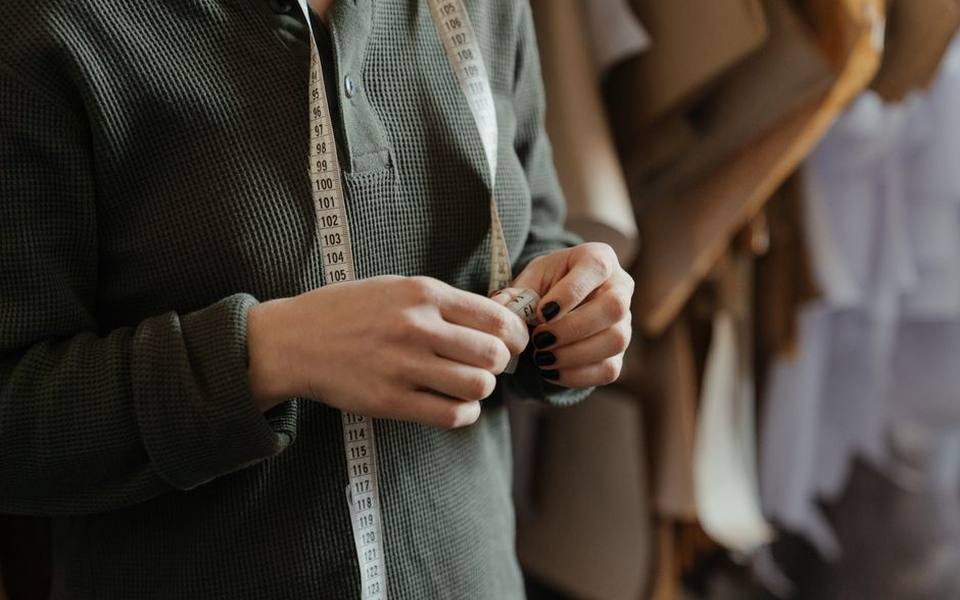
When assessing a new sewing studio, take time to inspect their finished work and client fitting area. A reputable practitioner maintains an organized space with clean three-way mirrors, proper task lighting, and sturdy fitting pedestals that allow long garments to fall naturally without dragging on the floor. Take notice of how the staff handles your garments during initial evaluations; experienced professionals listen carefully to your comfort preferences rather than imposing an overly rigid fit that you cannot move in comfortably.
Clear communication regarding turnaround windows and billing policies is essential before leaving valuable items behind. Ask whether initial pins are basted with temporary thread for a secondary fitting or stitched directly on the machine. You should also verify whether price quotes include final pressing and steaming, or if pressing is treated as an auxiliary service billed upon garment retrieval.
Suit Jacket and Blazer Tailoring for an Exact Fit
Suit tailoring focuses heavily on balance through the upper torso, where clean lines define the silhouette. When buying off-the-rack suits, the most critical element to fit correctly in the store is the shoulder width. The shoulder seam should sit flush where your arm bone meets the shoulder joint; if a jacket is too wide or too narrow across the shoulders, reshaping the armscye and resetting the shoulder canvas is an expensive, intricate procedure that few shops take on lightly.
Once the shoulders fit appropriately, a tailor can easily refine other areas of the jacket to improve the line. Shortening or lengthening the sleeves typically involves adjusting the cuff, though suits with functional buttonholes must have their sleeves adjusted from the shoulder head instead, which requires advanced craftsmanship. Tapering the body through the center back seam and side seams removes boxiness, creating a gentle contour that accentuates your natural waistline without causing the lapels to bow outward across the chest.
Jacket length is another primary consideration that affects overall bodily proportions. A tailor can generally shorten the bottom hem of a sports coat or suit jacket by an inch or two, provided the adjustment does not throw the lower flap pockets out of visual proportion with the bottom edge. Personalized finishing touches, such as custom pick stitching along the lapels or adding subtle details through embroidery and monogramming inside the lining, give tailored suits a distinct, made-to-measure character.
Everyday Trouser and Dress Pant Adjustments
Trouser adjustments represent the largest share of routine tailoring requests, ranging from simple hem reductions to substantial re-cuts of the waistband and seat. When trousers arrive from the manufacturer, they frequently feature unfinished bottoms designed intentionally for custom hemming. A pant tailor determines the proper length based on your footwear, working with you to select the appropriate trouser break, whether that is a clean no-break look, a slight break, or a traditional full break resting across the shoe vamp.
Hemming styles differ according to trouser construction and formality. Dress slacks and suiting wools almost universally receive a blind hem, where stitches remain hidden on the exterior face of the fabric. Casual chinos, utility pants, and summer linens often receive a standard topstitched hem. If you prefer a vintage or formal aesthetic, cuffed hems can be constructed on pleated trousers, provided there is enough excess fabric folded into the original hem to build the turn-up cuff.
Adjusting the trouser waist and seat is similarly straightforward due to the traditional split-waistband design found in most tailored dress pants. A tailor can typically take in or let out the waist by an inch or two without disturbing the alignment of the rear pockets. Tapering the legs from the knee down to the ankle opening narrows wide cuts into modern slim profiles, though trousers should always be pinned evenly along both the inseam and outseam to prevent the fabric from twisting inward around your shins.
Modifying Denim Jeans and Preserving Factory Details
Altering heavy denim presents unique challenges that distinguish it from standard suiting or dress fabrics. Denim is tightly woven, thick, and sewn with heavy-gauge topstitching threads that standard household machines struggle to penetrate cleanly. When shortening designer jeans, a standard machine hem often looks out of place because it replaces the factory puckering, stone-washing fade, and roped abrasion along the bottom edge with flat, modern thread that lacks character.
To preserve the original appearance of high-end denim, tailors utilize the original hem technique, sometimes called an attached or European hem. This process involves carefully cutting away the factory distressed edge, shortening the excess pant leg, and reattaching the original distress strip with a hidden seam folded to the interior. Enthusiasts seeking raw or selvedge denim alterations often request traditional chain-stitch hemming on vintage equipment, which creates the desirable roping effect along the cuff over time as the cotton shrinks and wears.
Tapering jeans requires an understanding of how outer seams are constructed. If a pair features a distinctive flat-felled seam or a colored selvedge ID tape on the outer edge, the tailor must take the excess fabric strictly from the inseam to avoid cutting through the exterior detailing. Adjusting the waistband on jeans is more labor-intensive than on dress trousers because of the thick waistband band and heavy rivets, but a small wedge dart can be added to the rear waistband to eliminate gaping.
Bridal Gowns and Delicate Formalwear Fitting
Altering wedding dresses and elaborate formal gowns requires specialized seamstress work due to the fragility of fine textiles, multiple petticoat linings, and delicate decorative elements. Gowns constructed with layers of French lace, silk tulle, organza, and heavy duchess satin cannot be rushed through standard alterations. Work on these garments is typically scheduled through dedicated bridal and formal gown alterations specialists who understand how inner corsetry and structural boning support the garment weight without sliding downward.
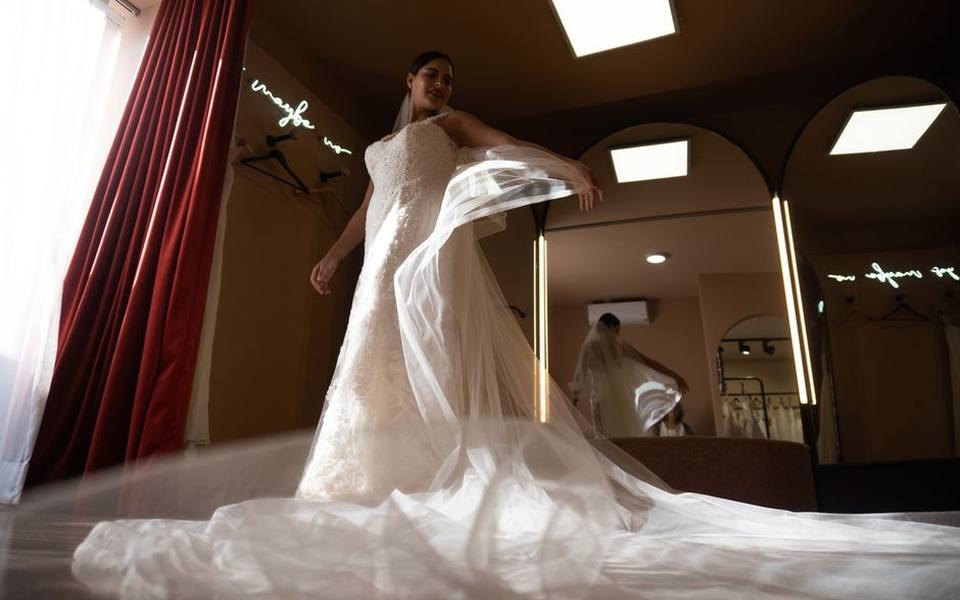
Bridal fittings generally occur over a series of three or four appointments spanning several weeks or months. The initial appointment focuses on structural stability through the bodice, waist, and hips, pinning the garment firmly so it remains secure against the torso. Once the torso fits smoothly, subsequent fittings address skirt hemming, shoulder straps, and bust cups. If the dress features heavy beading or lace appliques along the bottom border, the seamstress must carefully detach the embellishments by hand, cut the underlayers, and stitch the trim back into place.
Another vital component of bridal alterations is constructing the bustle, which lifts the extended train off the floor so the wearer can walk and dance comfortably during the reception. Bustles are created using a discreet network of clear buttons, ribbons, fabric eyes, or internal ties hidden beneath the skirt folds. Depending on the weight and volume of the skirt, seamstresses construct either an over-bustle, where the train folds upward onto the exterior waist, or an under-bustle, where the excess length tucks neatly beneath the skirt.
Understanding Alteration Costs and Wedding Dress Pricing
Alteration costs fluctuate significantly depending on garment construction, fabric sensitivity, and regional labor markets. Simple procedures, such as taking up a plain pair of pants or moving a button, typically fall on the lower end of the pricing spectrum. Moderate alterations, like taking in the waist of a lined pencil skirt or shortening jacket sleeves with plain cuffs, represent standard middle-tier costs, whereas complex restyling, reshaping leather jackets, or recutting vintage coats command premium rates due to the extensive bench time involved.
When it comes to formal eveningwear and bridal gowns, alteration prices reflect the sheer volume of fabric and labor-intensive hand stitching. A bridal hem alone can involve four to eight distinct skirt layers, each requiring separate trimming and rolled edge finishing. If horsehair braid is integrated into the skirt hem to maintain its fluted shape, the braid must be removed, shortened, and completely resewn, adding substantial labor hours that naturally increase the final quote.
Additional cost factors include modifying built-in bustiers, taking in beaded side seams where individual beads must be chipped away and hand-tied to prevent unraveling, and building custom sleeve additions. To avoid unexpected surprises, it is wise to establish a firm estimate during your first fitting consultation. Most reputable tailors provide itemized quotes detailing costs for the hem, the bodice adjustments, and the bustle individually before beginning any needlework.
Custom Tailoring Compared to Ready-to-Wear Alterations
Choosing between purchasing ready-to-wear garments for subsequent alteration versus investing in true custom tailoring depends on your wardrobe budget, body shape, and personal styling goals. Off-the-rack alterations take an existing pattern and pull out excess volume to approximate a tailored silhouette. This approach is practical and cost-effective for standard body types, but it remains constrained by the manufacturer's original proportions, pocket placements, and fabric quality.
Custom tailoring, which encompasses both made-to-measure and full bespoke methods, builds a garment from raw cloth around your exact measurements and postural idiosyncrasies. In custom tailoring, craftsmen draft an individualized paper pattern, accounting for differences in right and left shoulder drops, posture tilt, and torso length. Shops offering this caliber of service often maintain connections with studios specializing in sewing machine sales and service, utilizing heavy-duty industrial machinery capable of handling structured horsehair canvas, fine worsted wools, and silk linings.
While custom garments require higher upfront investments and multiple intermediate fittings, they yield clothing that fits comfortably without stress points or pulling seams. For individuals who face persistent fit problems off the rack, such as broad athletic builds paired with narrow waists, custom options eliminate the compromises often required when attempting to radically reconstruct standard garments that simply do not have enough seam allowance to adapt.
Navigating Same-Day and Express Tailoring Requests
Unexpected wardrobe emergencies happen frequently: seams rip unexpectedly, zippers fail on the morning of a conference, or an invitation requires immediate black-tie attire. When time is critical, locating a same-day tailoring service or emergency seamstress can save an outfit. However, rapid turnarounds are inherently subject to shop capacity, the nature of the damage, and the complexity of the fabric involved.
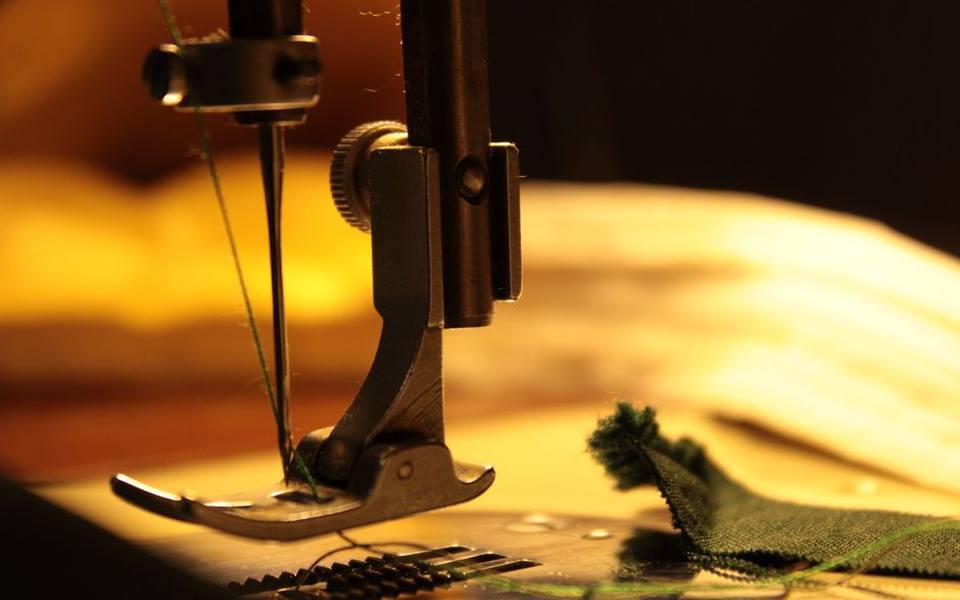
Simple tasks are the most realistic candidates for express turnaround. A tailor can easily execute a quick trouser hem, tack down a fallen lining, reinforce a split pocket seam, or replace a broken slider on a standard jacket zipper within a few hours. In contrast, complex alterations, such as adjusting lined suit shoulders, restructuring formal dresses with hand beading, or tapering heavy denim legs, cannot be executed properly on an emergency timeline without risking shoddy workmanship or uneven tension on the seams.
Keep in mind that same-day services almost universally incur express rush fees, which can add a notable percentage to the baseline alteration cost. When requesting emergency services, phone ahead to verify that the head tailor or seamstress is currently on the premises and that their schedule can accommodate walk-in work. Delivering the garment freshly cleaned and pressed also saves precious time, allowing the tailor to jump immediately into marking and stitching.
Preparing for Your Fitting Appointment
Proper preparation before walking into a fitting appointment ensures that the resulting alterations match how you will actually wear the clothing in real life. The most critical factor is bringing the exact footwear you intend to pair with the garment. Changing from a two-inch dress heel to flat loafers completely alters the way a trouser leg or gown hem falls, and a tailor cannot accurately pin a hemline based on hypothetical shoe heights.
Undergarments play an equally decisive role in garment fit. When attending fittings for suits, shirts, or formal gowns, wear the exact undergarments, shapewear, slips, or undershirts you plan to wear at the event. For women, wearing an unpadded everyday bra during a bridal or eveningwear fitting will lead to bodice sizing errors if a padded push-up or strapless corset is swapped in on the event day.
During the pinning session, stand in your natural, relaxed posture rather than standing unnaturally rigid or holding your breath. Look straight ahead into the mirror while the tailor works, and be honest about how the garment feels against your body. If an armhole pinches, a waistband feels restrictive when you sit down, or a skirt feels hazardous to walk in, speak up immediately while the pins can still be adjusted effortlessly.
Published 2026-09-25 · reviewed with each rebuild, last September 2026.
Find quilt & fabric shops near you
The directory lists 33,981 quilt & fabric shops by state and city — pick your state or use the “Near me” button in the header.
More guides
-
 Buying
Where to Buy Fabric: Sourcing Alternatives Online and Locally
-
 Service
DIY Zipper Repair and Simple Clothing Alterations Guide
-
 Buying
Beginner Embroidery Kits and Thread Selection: What to Know Before You Stitch
-
 Buying
Where to Buy Yarn for Knitting and Crochet: Sourcing Guide
-
 Buying
Beginner's Guide to Quilting and Essential Sewing Supplies
-
 Buying
Essential Guide to Sewing and Quilting Notions
-
 Owning
How to Make a DIY T-Shirt Quilt: Step-by-Step Guide
-
 Buying
Choosing Beginner Sewing Machines: Janome Models and Maintenance Costs
-
 Buying
Jelly Rolls and Precut Fabrics: Sizes, Quilt Patterns, and Buying Guide
-
 Buying
Cross Stitch and Embroidery Supplies: Aida Cloth, Floss, Kits, and Patterns
-
 Buying
Fabric Selection Guide: Cotton, Linen, Velvet, Fleece, and Synthetic Blends
-
 Buying
Quilting Patterns, Blocks, and Techniques: From Log Cabin to Paper Piecing
-
 Owning
Sewing Machine Needles, Bobbins, and Thread Compatibility Guide
-
 Owning
Beginner Sewing Machines: Selection, Oiling, and Repair Basics
-
 Buying
Sunbrella and Outdoor Fabrics Guide: Selection, Cushions, and Care